- English
- French
- German
- Portuguese
- Spanish
- Russian
- Japanese
- Korean
- Arabic
- Greek
- German
- Turkish
- Italian
- Danish
- Romanian
- Indonesian
- Czech
- Afrikaans
- Swedish
- Polish
- Basque
- Catalan
- Esperanto
- Hindi
- Lao
- Albanian
- Amharic
- Armenian
- Azerbaijani
- Belarusian
- Bengali
- Bosnian
- Bulgarian
- Cebuano
- Chichewa
- Corsican
- Croatian
- Dutch
- Estonian
- Filipino
- Finnish
- Frisian
- Galician
- Georgian
- Gujarati
- Haitian
- Hausa
- Hawaiian
- Hebrew
- Hmong
- Hungarian
- Icelandic
- Igbo
- Javanese
- Kannada
- Kazakh
- Khmer
- Kurdish
- Kyrgyz
- Latin
- Latvian
- Lithuanian
- Luxembou..
- Macedonian
- Malagasy
- Malay
- Malayalam
- Maltese
- Maori
- Marathi
- Mongolian
- Burmese
- Nepali
- Norwegian
- Pashto
- Persian
- Punjabi
- Serbian
- Sesotho
- Sinhala
- Slovak
- Slovenian
- Somali
- Samoan
- Scots Gaelic
- Shona
- Sindhi
- Sundanese
- Swahili
- Tajik
- Tamil
- Telugu
- Thai
- Ukrainian
- Urdu
- Uzbek
- Vietnamese
- Welsh
- Xhosa
- Yiddish
- Yoruba
- Zulu
What ingredients do black sesame paste rice balls typically contain?
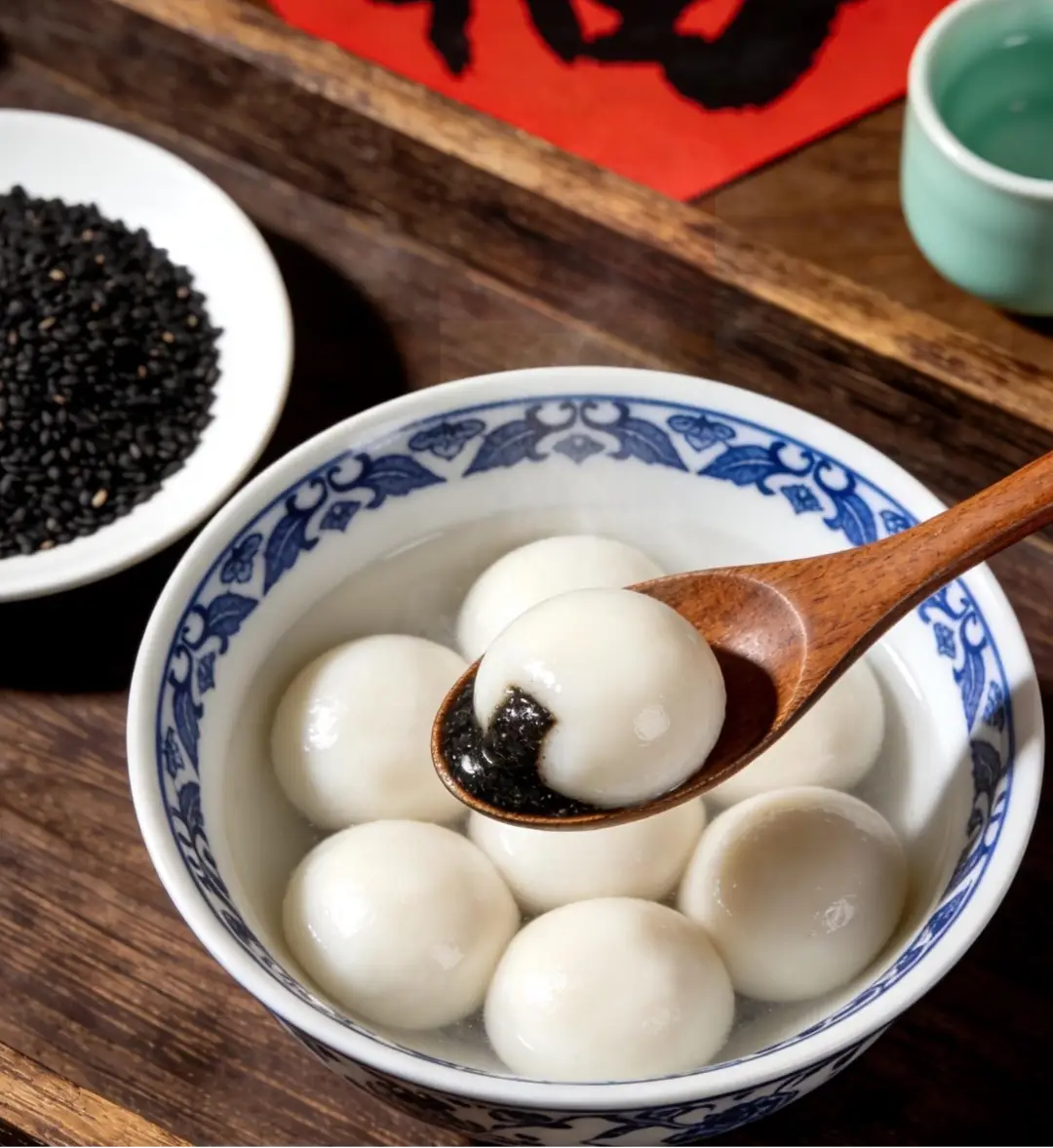
Black sesame paste rice balls — known in Chinese as tangyuan — are a beloved festive treat central to Lantern Festival, Winter Solstice, and Spring Festival celebrations. These glutinous rice dumplings consist of a soft, chewy outer skin made from glutinous rice flour, wrapped around a rich black sesame filling. The filling combines roasted black sesame seeds, sweeteners, and fats to achieve that signature nutty aroma and flowing texture. Understanding the full ingredient profile helps buyers, distributors, and procurement teams make confident sourcing decisions at scale.
Understanding the Core Ingredients of Black Sesame Paste Rice Balls
Each part of a tangyuan recipe does something different. A premium product is not the same as a mediocre one because it has the right amount of everything.
Glutinous Rice Flour: The Foundation of Texture
Every rice ball has glutinous rice flour on the outside. It gives foods the unique chewiness and stretchiness that people want. Good wet-milled sticky rice flour that is ground to a fineness of 100 to 120 mesh makes a skin that is smooth and doesn't tear when it boils. In Zhulaoda's recipe, pregelatinized starch and sticky rice flour are used to make the skin stronger and slow down the rate at which it breaks while cooking.
Black and White Sesame Seeds: The Heart of the Filling
To make the filling for Zhulaoda, you can start with either black or white sesame seeds. When slowly roasted at low temperatures to preserve their natural oils, black sesame seeds have a rich, sweet aroma that isn't bitter. The black sesame seeds go well with a milder sweetness. It is important to grind the seeds until they are as smooth as 80–100 mesh so that the filling is smooth and free of chunks. The taste of the stuffing comes out when it's heated up.
Sweeteners and Binding Agents
Food grade glucose and white granulated sugar work together to control the sweetness of the flavor and the movement of water. The filling stays the same density even when it freezes and thaws because maltodextrin acts as a driver. When the rice ball is ready to be served, the filling flows because starch and vegetable oil have been mixed together. This is what makes the rice ball look like the famous "lava" that everyone loves. This effect is what makes sweet dumplings so appealing.
Nutritional and Functional Benefits of Black Sesame Paste
Black sesame seeds can be used for more than just flavoring. They are known to have certain nutrients that make the product more useful.
Key Nutrients Found in Black Sesame
There are healthy unsaturated fatty acids, iron, zinc, and calcium in black sesame seeds that are already there. Lignans and tocopherols are two types of vitamins that are also found in them. In 2009, the Journal of Agricultural and Food Chemistry published research that showed black sesame seed oils can be used as antioxidants. In other words, they help your heart stay fit and lower reactive stress. Since these things are true, Tangyuan is more than just a treat. They also make it a useful food that people will want to buy.
Comparing Black Sesame to Other Common Fillings
It has peanuts in the middle, which add more protein and good fats. The molten filling effect is made possible by the fact that black sesame paste contains more fat than red bean paste. Black sesame has more antioxidants and a different taste than white sesame paste. Stores make a unique frozen treat that stands out when they mix these two things.
Allergen Awareness for Retail Markets
The black sesame tangyuan from Zhulaoda has peanuts and sesame seeds in it. The U.S. Food and Drug Administration (FDA) says that food labels must list these two main allergens. The people who buy things for American stores have to make sure that all of the packaging has clear allergen statements on it. These requirements are met by Zhulaoda's product labels, which have clear safety information on all pack types.
Quality Considerations and Ingredient Sourcing in Procurement
When you buy a lot of tangyuan, it's important that both the ingredients are good and the seller you buy from is reliable.
Evaluating Sesame Paste Quality
The way the black sesame paste is roasted makes a big difference in its quality. Things get a bitter smell when they are cooked for too long. This is called carbonization. Zhulaoda roasts nuts slowly and at a low temperature to keep the nuts' natural smell. Buyers should ask for peroxide value (PV) test results when they want to know how good the sesame paste is. If the PV is high, it means that the paste is oxidizing, which makes it go bad faster. This is a direct risk for frozen foods that will be kept for a year.
Food Safety Certifications That Matter
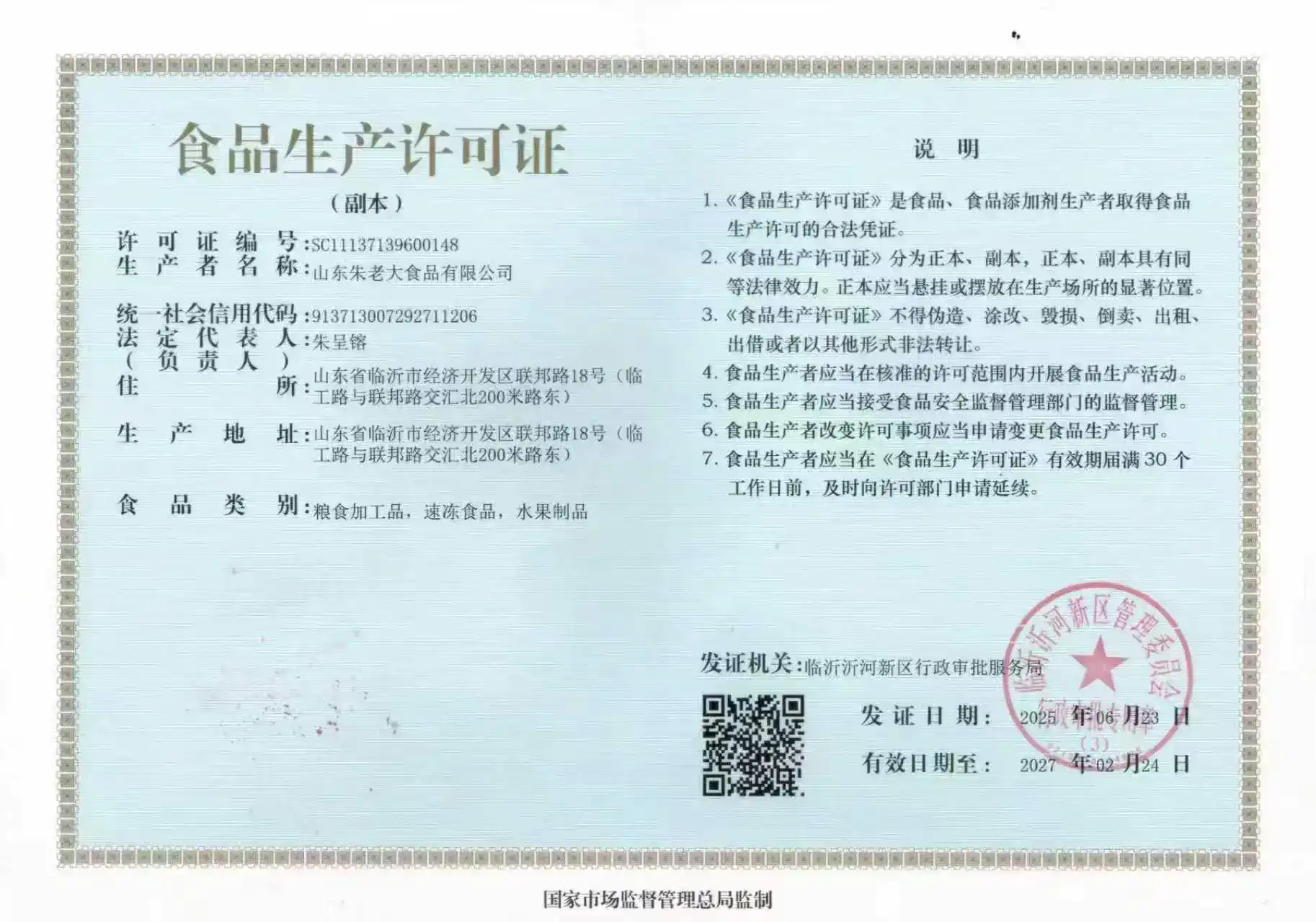
According to ISO 9001, Zhulaoda has a quality management system. The company also follows HACCP rules to make sure food is safe from the time they get the raw materials to the time they ship the finished goods. The company also has QS Certification, which is based on China's national food safety guidelines, and passed a Food Quality and Safety Certification in 2005. The item's standard code is SB/T 10412, and its license number for making food is SC11137139600148. These credentials are important for import compliance teams because they give them the proof they need. Black sesame paste rice balls from Zhulaoda are backed by all of these certifications.
Skin Integrity: Why Ingredient Selection Prevents Cracking
You may have trouble getting frozen tangyuan because it breaks when it's moved through the cold chain. Scientists say that the main reason is that the skin and filler don't have the same amount of water activity, which lets water move between them. Food chemicals that keep water in, like guar gum, xanthan gum, and mono- and diglycerides of fatty acids, are used by Zhulaoda to fix this. Hydrocolloids control the flow of water, which keeps the skin flexible and free of cracks while it's being shipped at -18°C.
Production Tips: Optimizing Ingredients for Superior Rice Ball Quality
Large-scale production of tangyuan introduces challenges that small-batch recipes never encounter. Ingredient ratios, mixing sequences, and freezing protocols all affect the final product.
Skin-to-Filling Ratio and Dough Consistency
Standard commercial rice balls carry a skin-to-filling ratio of 7:3 to 6:4 by weight. A filling-heavy ratio increases the lava effect but raises burst risk during boiling. Zhulaoda's formula uses compound emulsifiers — including lactic acid fatty acid glycerol esters and diacetyl tartaric acid esters of mono- and diglycerides — to stabilize the interface between dough and filling, maintaining structural integrity during the 6–8 minute boiling process.
IQF Freezing and Anti-Sticking Measures
Individual quick freezing (IQF) is the key step that prevents rice balls from sticking together in bulk packaging. Products pass through a freezing tunnel to harden the outer skin instantly before packing. For retail formats, compartmentalized trays or blister packaging physically separate units and prevent collision damage during transport. Zhulaoda's cold storage warehouse uses a modern intelligent shuttle rack system with a capacity exceeding 8,000 tons, maintaining consistent -18°C conditions.
Shelf Life Management for Bulk Orders
Zhulaoda's black sesame tangyuan carries a 12-month frozen shelf life when stored at or below -18°C. For procurement teams planning seasonal orders — particularly for Lantern Festival or Winter Solstice — this shelf life window allows orders placed 3–4 months in advance to arrive in-market with ample remaining shelf life. Available pack formats include 450g, 1kg, and 2.5kg, with customizable options to suit gift box and bulk retail configurations. These packaging and shelf-life advantages make sweet dumplings well suited for seasonal procurement planning.
Market Insights: Trends and Demand for Tangyuan Ingredients
As the number of Chinese-Americans and people who like Asian food has grown, so has the market for Asian frozen desserts in North America. In Whole Foods' yearly trend reports and major food media sources, black sesame has been listed as a taste trend, suggesting a wider customer acceptance outside of ethnic grocery stores. If someone wants to buy something during festival season, they should make sure they can lock in production capacity at least three to four months ahead of time. This is very important during the winter months of January and February, when the Spring Festival and the Lantern Festival happen. In these situations, demand tends to rise faster than supply. This gives early-bird companies an edge in the market.
Conclusion
The black sesame paste rice balls' list of ingredients shows that both the outside and the inside were made with a lot of care. Giant rice flour is used to make the outside chewy. Sweeteners, vegetable oil, and exact emulsifiers are added in layers to make the rich, smooth middle. It also has peanuts, roasted black and white sesame seeds, and more. Buyers look at different suppliers and choose the ones with approved food safety systems, the ability to produce IQF food, and flexible packaging formats. These suppliers can deliver in large amounts and on time during the busy holiday seasons.
FAQ
What is the standard skin-to-filling ratio in commercial tangyuan?
Most factory-made goods try to get a skin-to-filling ratio of 7:3 to 6:4. It flows better when there is more filling, but it needs stronger skin formulation and emulsification to keep it from popping when it boils.
Do these rice balls contain gluten?
The outside skin is made from glutinous rice flour, which doesn't have gluten in it even though its name says it is. The risks of cross-contamination, on the other hand, depend on how the factory works. If you sell to someone who is sensitive to gluten, you should show proof that the facility has been checked for allergies.
Why do some rice balls crack during frozen storage?
When the tooth freezes and thaws, water moves between the skin and the filling, which makes the tooth crack. For less risk, hydrocolloid add-ons like guar gum and xanthan gum help control the flow of water.
What allergens are present in Zhulaoda's black sesame tangyuan?
The thing has peanuts and sesame seeds in it. Labeling rules set by the U.S. Food and Drug Administration (FDA) require that both be listed as hazards on all Zhulaoda products.
What packaging options are available for bulk orders?
450g, 1kg, and 2.5kg are the different sizes of Zhulaoda. The packing can be changed to fit gift boxes and private-label store programs.
Partner With Zhulaoda for Your Next Seasonal Order
It has been making frozen tangyuan since 2001. They can make up to 100 tons of food every day with their three robotic lines. We are a reputable company that makes black sesame paste rice balls. Our production is ISO 9001 and HACCP-certified, and we guaranty that your orders will arrive before the holiday. Our team is ready to send you samples and talk about when you need them, whether you need 450g retail packs or 2.5kg large forms. Send us an email at sdzldsp@163.com right away to get a price.
References
1. Shahidi, F., & Ambigaipalan, P. Journal of Agricultural and Food Chemistry, 2015.
2. Teh, S. S., & Birch, E. J. Food Chemistry, 2013.
3. Huang, C. J., & Ho, C. T. (Eds.). Phenolic Compounds in Foods and Their Effects on Health. American Chemical Society, 1992.
4. Repo-Carrasco-Valencia, R., & Serna, L. A. Food and Nutrition Sciences, 2011.
5. Fellow, P. J. Food Processing Technology: Principles and Practice (4th ed.). Woodhead Publishing, 2017.
6. Belitz, H. D., Grosch, W., & Schieberle, P. Food Chemistry (4th ed.). Springer, 2009.


Learn about our latest products and discounts through SMS or email